


Few neighborhoods in North Texas have transformed as dramatically — or as deliberately — as Uptown Dallas. What was once a patchwork of aging warehouses and underutilized land just north of downtown has evolved into one of the most densely populated and economically active urban districts in the entire state. For residents, newcomers, and anyone tracking how Dallas grows, Uptown offers a clear window into the forces reshaping urban life in the Sun Belt.
How Uptown Dallas Took Shape
Uptown Dallas occupies roughly two square miles between downtown and Highland Park, bounded loosely by Woodall Rodgers Freeway to the south and Lemmon Avenue to the north. Its development accelerated in the 1990s and 2000s as Dallas city planners and private developers embraced mixed-use zoning — a planning model that layers residential, retail, and commercial uses within the same walkable area.
The neighborhood's transformation was not accidental. Dallas adopted a series of urban development incentive programs, including tax increment financing (TIF) districts, that redirected property tax revenue generated by new development back into infrastructure improvements within the district itself. According to the City of Dallas Office of Economic Development, TIF districts have helped fund streetscape improvements, public amenities, and infrastructure upgrades that made Uptown's density possible.
The result is a neighborhood where mid-rise apartment towers, boutique hotels, and ground-floor restaurants now occupy land that once sat idle — and where the pace of construction shows no sign of slowing.
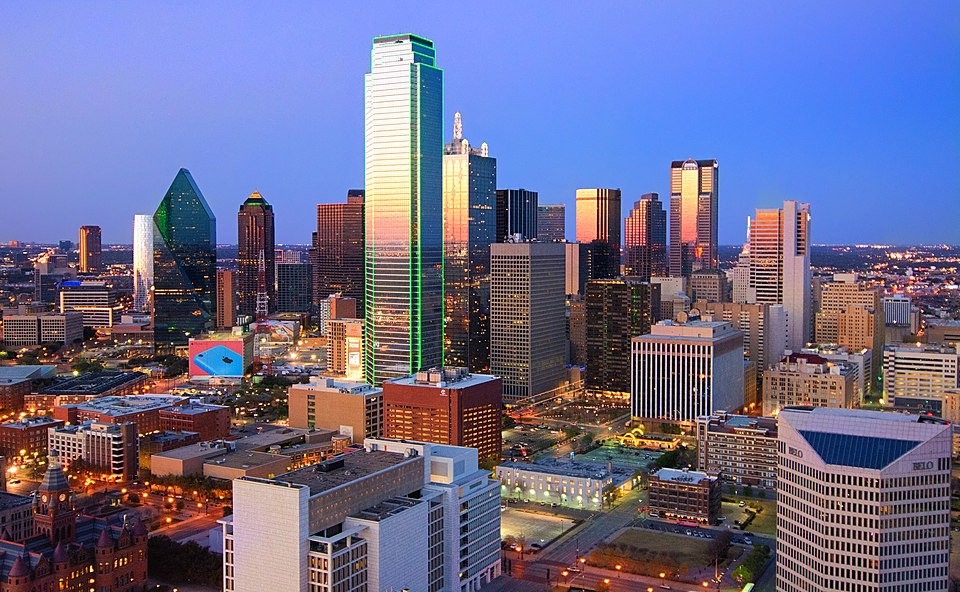
Image Credit: Robert Hensley, CC BY 2.0, via Wikimedia Commons
The Demographics and Housing Landscape of Uptown
Uptown Dallas consistently ranks among the highest-demand residential submarkets in the Dallas–Fort Worth metroplex. The neighborhood attracts a disproportionately young, educated, and high-income population — a demographic profile that reflects both the area's walkability and its proximity to major employment centers along the Dallas North Tollway and in the Arts District.
Dallas's broader cultural investment has played a role in making Uptown an attractive address. The nearby Dallas Arts District — the largest contiguous arts district in the United States — anchors the southern edge of Uptown's cultural geography, drawing residents and visitors who value proximity to world-class museums, performance venues, and public art.
Housing in Uptown skews heavily toward rental apartments, with luxury high-rises dominating new construction. A growing number of condominium developments has expanded ownership options for buyers who want urban proximity without the commitment to a single-family home in the suburbs.
Cost of Living Considerations
Living in Uptown carries a premium. Average rents consistently run above the Dallas metro median, and condominium prices per square foot reflect the neighborhood's desirability. Texas's lack of a state income tax partially offsets higher housing costs for many residents, but property tax rates — which rank among the highest in the country according to the Tax Foundation — remain a significant financial variable for homeowners and investors alike.
For residents building long-term financial plans, understanding the interplay between real estate appreciation, property tax exposure, and investment allocation is essential. Uptown's rapid appreciation over the past decade has created both opportunity and complexity for property owners evaluating their overall financial position.
Urban Infrastructure and Walkability
One of Uptown's defining features is its investment in pedestrian and transit infrastructure — unusual in a city historically built around the automobile. The McKinney Avenue Trolley runs free vintage streetcars through the heart of Uptown, connecting residents to the Arts District and providing a visible example of the transit-oriented development model that city planners increasingly favor across Dallas.
Walk Score, a metric that evaluates pedestrian access to daily destinations, consistently rates Uptown among the most walkable neighborhoods in all of Dallas — a city that otherwise scores quite low by national standards. This walkability premium has tangible financial implications: research published by the National Bureau of Economic Research found that walkable urban neighborhoods command measurable price premiums over comparable car-dependent areas.
Dallas's climate adds another layer to urban planning decisions in Uptown. With summer temperatures regularly exceeding 100°F and a heat island effect intensified by dense pavement and building mass, the City of Dallas has incorporated tree canopy requirements and reflective surface standards into its development code. These environmental design standards affect both construction costs and the long-term energy efficiency of buildings throughout the neighborhood.
Mixed-Use Development and Economic Density
Uptown's economic vitality stems from its concentration of mixed-use development — where residential, retail, office, and hospitality uses coexist within single buildings or compact blocks. This model maximizes land value while reducing the car dependency that characterizes most of suburban Dallas.
Uptown does not exist in isolation. Dallas has seen similar forces at work across other neighborhoods that have undergone their own distinct transformations. The history and growth of Deep Ellum illustrates how an arts and entertainment district rebuilt its identity over decades, while the transformation of Bishop Arts District shows how small-scale, community-driven development can reshape a neighborhood from the ground up. Each story reflects a different chapter in Dallas's larger urban evolution — and Uptown represents the city's most ambitious bet on high-density, mixed-income urban living.
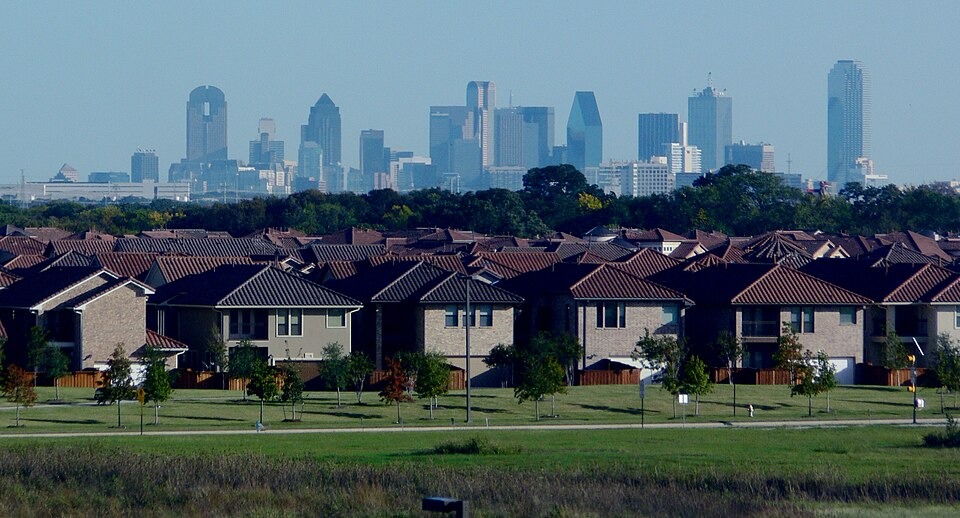
Image Credit: Andreas Praefcke, CC BY 3.0 via Wikimedia Commons
New development continues to reshape Uptown's skyline. Planned projects along the Katy Trail corridor and near the Harwood District signal that the neighborhood's buildout has not yet reached its ceiling. Each new project brings updated design standards, higher energy efficiency requirements, and increased pressure on existing infrastructure — all factors that influence property values and neighborhood character for current residents.
Financial Planning Implications for Uptown Residents
Living in a high-growth urban neighborhood like Uptown Dallas creates financial dynamics that differ meaningfully from suburban or rural settings. Rapid appreciation, high rental income potential, dense access to employment, and above-average property tax exposure all interact in ways that reward careful planning.
Texas residents also face estate planning considerations unique to a community property state, where assets acquired during marriage are treated differently than in common law states. Understanding how property ownership structures affect long-term financial outcomes is an important step for anyone putting down roots in a market as active as Uptown.
Whether Uptown Dallas represents a long-term home base or a strategic investment position, the neighborhood's trajectory remains one of the most closely watched stories in Texas urban development — and its residents are at the center of it.